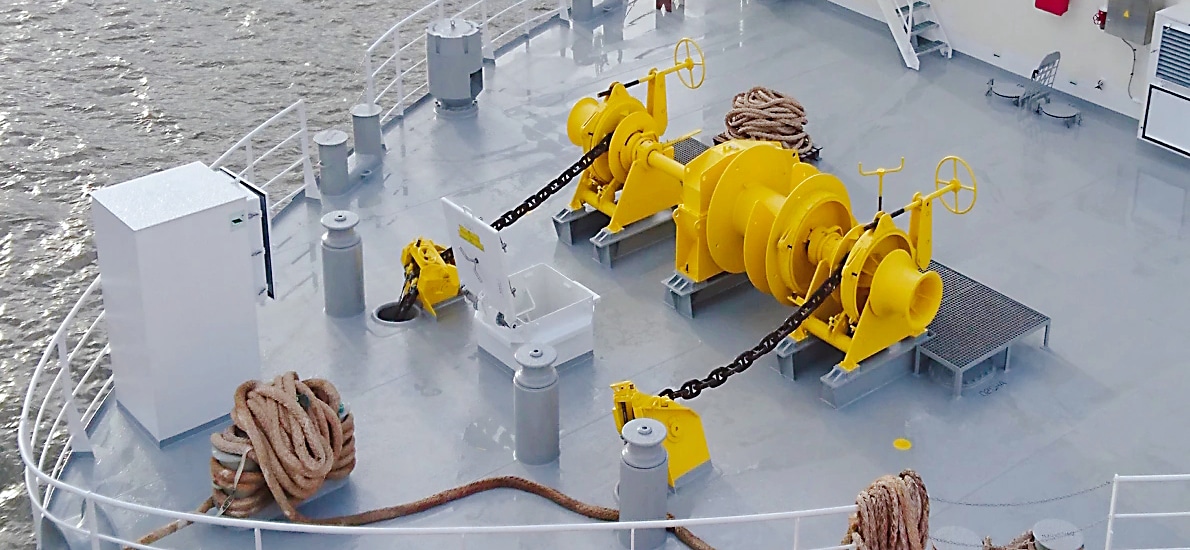
One of a boat’s most important pieces of equipment is an anchor winch. It makes anchoring safer and more effective, saves time, and lessens physical strain. Anchor winches, however, may have problems over time, just like any mechanical or electrical device. Frustration and expensive repairs may be avoided by being aware of frequent issues and learning how to resolve them. The most common anchor winch problems are covered in this book, along with easy fixes to keep your system functioning properly.
The Winch Is Not Turning On
A winch that won’t turn on is one of the most frequent issues. Usually, electrical problems are the cause of this problem. First, make sure the battery is completely charged. Clean and tighten all connections since corroded or loose battery terminals may potentially stop power flow. Examine the fuse or circuit breaker that is attached to the winch. Replace it with the appropriate rating if it has blown. Look for frayed cables and replace or repair them as necessary, since wiring damage may also result in power outages.

Mid-Operation Winch Stoppage
It might be risky if a winch stops while the anchor is being raised or lowered. A frequent reason is overheating, particularly if the winch is used often. After letting it cool, restart it. An overloaded system is another potential cause. Verify that the anchor weight is within the winch’s range. Another reason for abrupt pauses is a jammed chain or rope within the drum. Before proceeding, untangle any tangled material and carefully realign it.
Anchor Not Holding Or Slipping
After deployment, if your anchor continues to slide, it could not be the winch’s fault. However, the anchor may suddenly drop due to worn clutch parts. Check the clutch, and if needed, tighten it. To regain grip, swap out worn components. Additionally, look for excessive wear on the chain or anchor rope. Replacing a broken line may enhance anchoring performance since it may not hold up well under strain.
Operation Noise
When a winch is operating, unusual sounds are often an indication of mechanical problems. Typically, grinding noises are a sign of inadequate lubrication. Grease moving components like gears and bearings using marine-grade oil. Mounting hardware or loose bolts may be the cause of rattling sounds. To stop vibration, tighten every bolt. Maintaining your winch on a regular basis keeps it silent and effective.
Rust And Corrosion
Boat equipment rust is a serious problem due to exposure to saltwater. Long-term damage and decreased performance might result from rusted parts. After each journey, rinse your winch with fresh water to get rid of any salt buildup. For exposed metal components, use anti-corrosion spray. Check brackets and bolts for rust, and replace any that exhibit significant corrosion. Another way to prolong the winch’s life is to use a protective cover while it’s not in use.
Chain Or Rope Jamming
The most common cause of jamming is improper rope or chain feeding into the drum. If it is wrapped unevenly, this may occur. To guarantee smooth feeding, manually guide the line while using the winch. Steer clear of overloading the drum since too much rope might accumulate and jam it. If jamming occurs often, make sure the drum size fits the dimensions of your chain or rope.

Keeping An Electric Anchor Winch In Working Order
To operate dependably, an electric anchor winch has to be maintained on a regular basis. After every trip, clean it and check the electrical connections once a month. As advised by the manufacturer, lubricate moving parts. To guarantee smooth functioning, test the winch on a regular basis under mild load. Breakdowns while on the water are less likely when preventive maintenance is performed.
When To Get Expert Assistance
Certain issues need to be handled by professionals. It is preferable to get advice from a maritime specialist if the motor burns out, the gears peel, or the wiring is seriously damaged. Inexperienced people who attempt complicated repairs run the risk of causing more harm. Your winch will run safely and effectively if it receives professional service.
Conclusion
Although most anchor winch issues are simple to identify and resolve with simple equipment and routine maintenance, they may nevertheless be annoying. Unexpected failures may be prevented by inspecting power connections, cleaning parts, and keeping an eye on performance. Maintaining your winch properly not only increases its lifespan but also enhances convenience and safety on all boating excursions. Smooth anchoring and comfort of mind on the water are guaranteed by a well-maintained system.