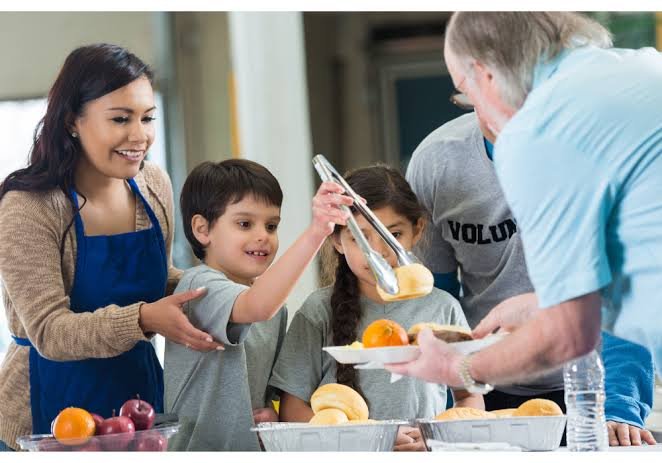
Food insecurity is a serious challenge that affects individuals and families across many communities. Even in growing cities like Denver, some households struggle to maintain consistent access to nutritious meals. Rising living expenses, unexpected financial difficulties, and limited resources can make everyday necessities harder to afford. While food assistance programs provide essential support, volunteers play an equally important role in ensuring these services reach people who need them.
Exploring volunteering opportunities in Denver allows individuals to contribute directly to community well-being. Volunteers can significantly improve the lives of families experiencing food insecurity by organizing donated food, assisting with grocery distribution, or supporting neighborhood outreach programs.
Understanding Food Insecurity in Local Communities
Food insecurity involves more than occasionally missing a meal. It describes having little or no access to adequate, nourishing food to lead an active, healthy life. Families experiencing financial instability may find themselves making difficult decisions between purchasing groceries and paying for housing, transportation, healthcare, or utilities.
These challenges can affect people from different backgrounds, including working parents, older adults, students, and individuals facing unexpected hardships. Even households with regular employment may experience food insecurity when their income cannot adequately cover essential expenses.
Community food assistance programs help address these difficulties by providing groceries, fresh produce, and other necessary supplies. However, maintaining these programs requires consistent involvement from organizations, donors, and volunteers who understand the importance of collective responsibility.
The Essential Role of Volunteers in Food Assistance Programs
Volunteers contribute valuable time and effort to organizations working to reduce hunger. Their responsibilities may include sorting food donations, preparing grocery packages, organizing storage areas, and assisting with distribution activities.
These contributions help food assistance organizations manage their daily operations more effectively. When volunteers handle essential tasks, staff members can devote additional attention to coordinating services, supporting families, and strengthening community partnerships.
Volunteering also creates opportunities for direct community engagement. People who take part in food assistance programs learn more about the difficulties their neighbors encounter and the value of easily accessible support services.
Making Food Distribution More Accessible and Organized
Successful food assistance depends on more than collecting donations. Food must be inspected, sorted, stored appropriately, and distributed efficiently to ensure recipients receive useful supplies.
Volunteers support this process by helping organizations maintain organized distribution systems. Tasks such as checking donated products, assembling grocery packages, and preparing distribution spaces contribute to smoother operations.
Proper organization also helps reduce unnecessary waste. Volunteers can assist with identifying items that require timely distribution and ensuring available resources are used responsibly.
For families relying on food assistance, an organized distribution process can make receiving support more convenient and less stressful. Volunteers who approach their responsibilities with patience, respect, and compassion contribute to a welcoming environment where community members feel valued.
Encouraging Families, Students, and Businesses to Participate
Community volunteering becomes more impactful when people from different backgrounds participate. Families can use volunteer activities to introduce children to generosity, social responsibility, and the importance of helping others.
Students may find opportunities to develop communication, teamwork, and organizational skills while contributing to a meaningful cause. Participating in community programs can also encourage younger generations to become more aware of local challenges.
Businesses can strengthen community relationships by encouraging employee participation in volunteer initiatives. Group activities involving food organization, donation drives, or community events can promote teamwork while supporting local assistance programs.
The availability of different volunteering opportunities in Denver makes it possible for individuals and groups to identify activities that align with their interests, schedules, and abilities. Specific roles and eligibility requirements may vary between organizations.
Building Long-Term Community Support Through Consistent Involvement
Although occasional volunteer participation is valuable, consistent involvement can provide additional benefits for food assistance organizations. Reliable volunteers help programs maintain continuity, prepare for changing community needs, and manage recurring responsibilities.
Regular participation also allows volunteers to become familiar with organizational procedures and develop stronger relationships with staff members and fellow volunteers.
Beyond providing immediate assistance, continued engagement encourages broader conversations about food access, economic challenges, and community responsibility. These discussions can inspire additional donations, partnerships, and collaborative efforts.
Importantly, volunteers should recognize that food insecurity is a complex issue requiring sustained attention. Community service cannot eliminate every underlying cause, but it can help reduce immediate hardship while strengthening local support networks.
Conclusion
Fighting food insecurity requires compassion, organization, and ongoing community participation. Volunteers provide essential assistance that helps food programs operate efficiently and reach households facing difficult circumstances.
By exploring meaningful volunteering opportunities in Denver, residents can turn their willingness to help into practical action. From organizing groceries to supporting distribution activities, every contribution strengthens the network of care available to local families. Through continued cooperation between volunteers, organizations, and community members, Denver can build a more supportive environment where access to food remains a shared priority.