The packaging industry is changing dramatically due to advances in robotics and artificial intelligence (AI). automated packaging systems have become an essential way for businesses to cut expenses, increase efficiency, and improve quality control. The integration of AI and robotics into packaging operations is not just a trend—it is the future of the industry. This combination promises to revolutionize the way products are packed, sorted, and shipped, offering numerous advantages that extend far beyond traditional methods.
AI-Powered Packaging Systems: A Smarter Approach
In the packaging industry, artificial intelligence is quickly becoming a vital tool. AI gives packaging systems the ability to adjust and optimize procedures in real time through sophisticated algorithms and machine learning. AI is able to examine production line data, spot inefficiencies, and make changes to boost output. For instance, AI-powered systems can automatically adjust the speed of packaging lines based on product size or detect anomalies in packaging quality before they reach the final stages of production.
One of the most significant benefits of AI in automated packaging systems is the ability to predict maintenance needs. By using predictive analytics, AI can monitor the performance of machinery and predict when a part is likely to fail. This reduces downtime and helps businesses avoid costly emergency repairs, ultimately boosting overall productivity. AI can also maximize material utilization, cutting expenses, and waste while preserving product quality.
Robotics: Precision and Efficiency
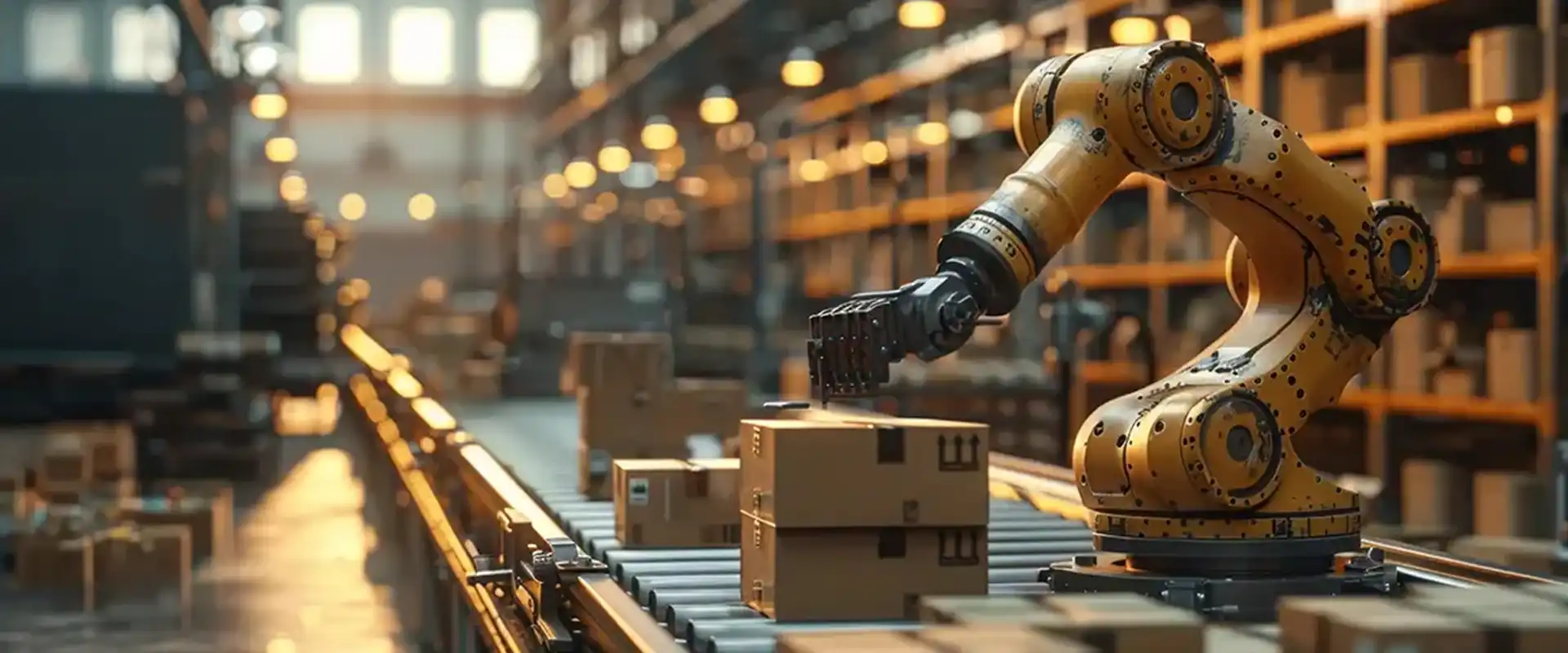
Robotics has long been a game-changer in manufacturing, and its role in automated packaging systems is no exception. Robots can quickly and precisely complete repetitive tasks, lowering human error and boosting productivity. For instance, picking, sorting, and packing goods into boxes are now frequently performed by robotic arms. These robotic systems can be configured to manage different product shapes and sizes, guaranteeing that every item is packed effectively and safely.
The flexibility of robotic systems is another reason why they are indispensable in modern packaging operations. Robots are no longer limited by strict programming thanks to developments in artificial intelligence; they can now learn from their surroundings and adjust to new situations. This flexibility allows robotic systems to seamlessly integrate into existing production lines and adapt to changing product specifications without requiring significant reprogramming.
Moreover, robotics can work continuously without fatigue, ensuring that packaging lines maintain optimal speed and output. This shift towards fully automated systems allows businesses to meet increasing demands for faster production times while maintaining consistent quality.
Enhanced Quality Control with AI and Robotics
Quality control is a critical aspect of any packaging operation. The integration of AI and robotics into automated packaging systems has vastly improved the ability to monitor and ensure product quality. AI-powered systems are capable of inspecting products with unmatched precision, detecting even the smallest defects in packaging materials or the finished product. This reduces the likelihood of defects slipping through the cracks and ensures that only products that meet stringent quality standards are shipped to customers.
Robots with sophisticated sensors and vision systems are also capable of carrying out quality checks, guaranteeing that every item is packaged appropriately. This not only improves the quality of the products being sent out but also minimizes the need for manual inspection, saving time and resources.
Sustainability Through Automation
As businesses increasingly focus on sustainability, integrating AI and robotics into automated packaging systems can significantly reduce their environmental impact. AI helps to optimize packaging material usage, ensuring that only the necessary amount of materials is used for each product. Robotics also play a role by minimizing waste during the packing process, ensuring that packaging is efficient and precise.
Furthermore, automated systems can lower the overall carbon footprint of the packaging process by modifying production speeds and procedures in response to real-time data. In a world where sustainability is becoming a key factor in consumer decisions, these advancements in packaging automation offer businesses a way to operate more responsibly and align with green initiatives.
The Road Ahead
The future of packaging lies in the continued integration of AI and robotics. As technology continues to evolve, automated packaging systems will become smarter, more flexible, and more capable of handling complex tasks. Companies that adopt these innovations will experience increased quality control, sustainability, and adaptability in their packaging operations, in addition to increased efficiency and lower costs.
By leveraging the power of AI and robotics, companies can streamline their packaging processes, reduce human error, and meet the growing demands of a fast-paced market. The future of packaging is bright, and those who invest in automated packaging systems today will be well-positioned to lead the industry tomorrow.


